Japanese Gods ① – Who is Ame-no-Minakanushi?
The Hidden God in Japanese Mythology
When talking about Japanese mythology, many people immediately think of deities like Amaterasu, Susanoo, or Izanagi. However, before these gods came into existence, there was an even more mysterious and fundamental deity—Ame-no-Minakanushi (天御中主神).
This god, whose name means “Heavenly Center Master Deity,” appears at the very beginning of Japan’s creation myths, yet is barely mentioned in historical texts. Who exactly is this enigmatic god?
The First God to Appear
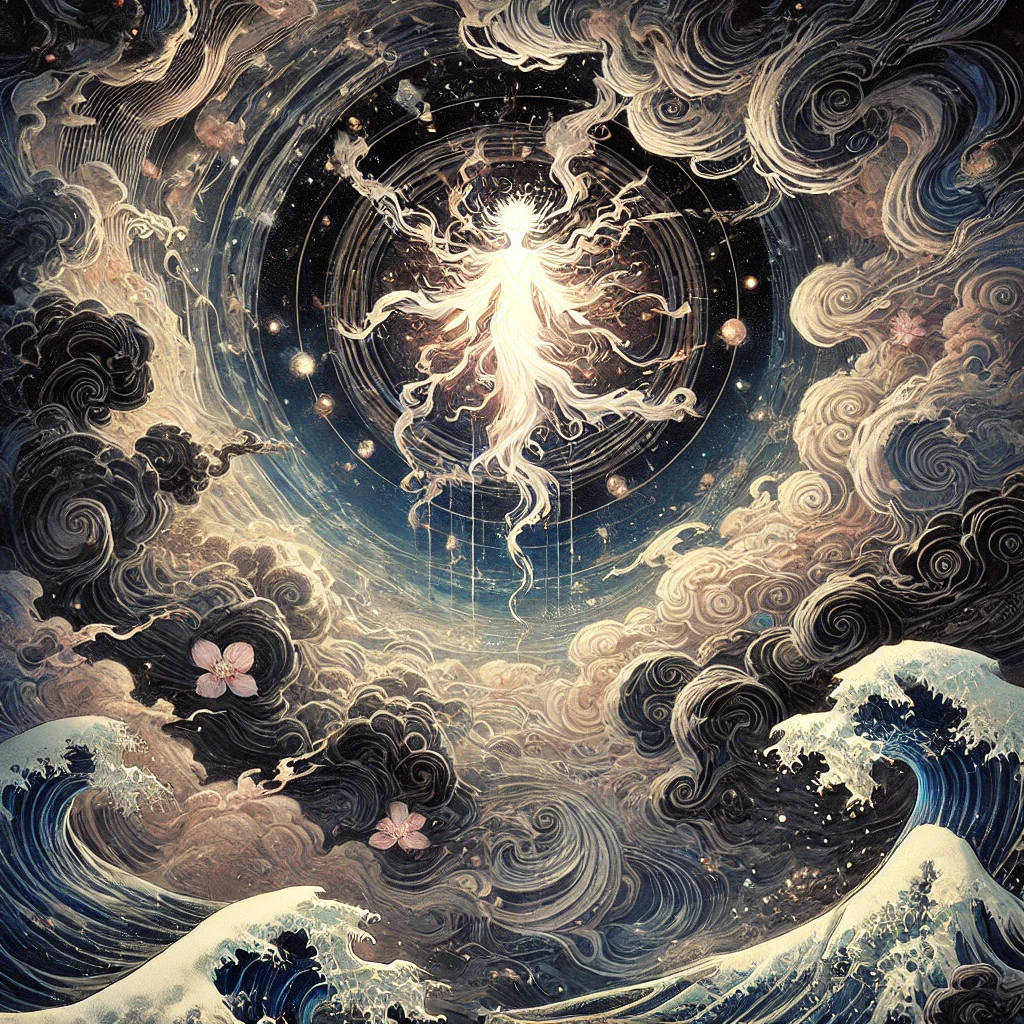
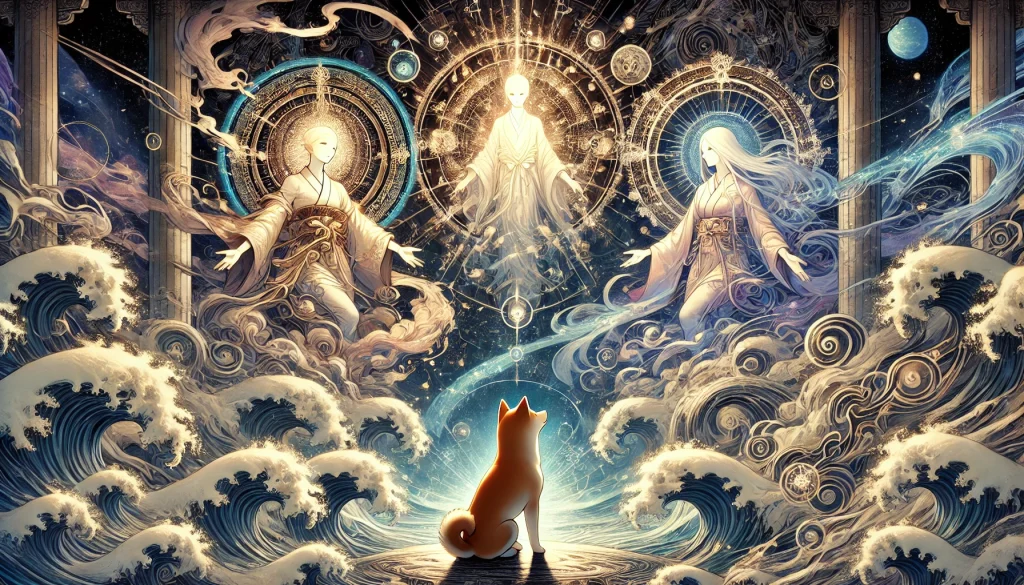
According to the Kojiki (Records of Ancient Matters), the oldest surviving chronicle of Japan, at the beginning of creation, three deities spontaneously appeared in the heavens. These were:
- Ame-no-Minakanushi (天御中主神)
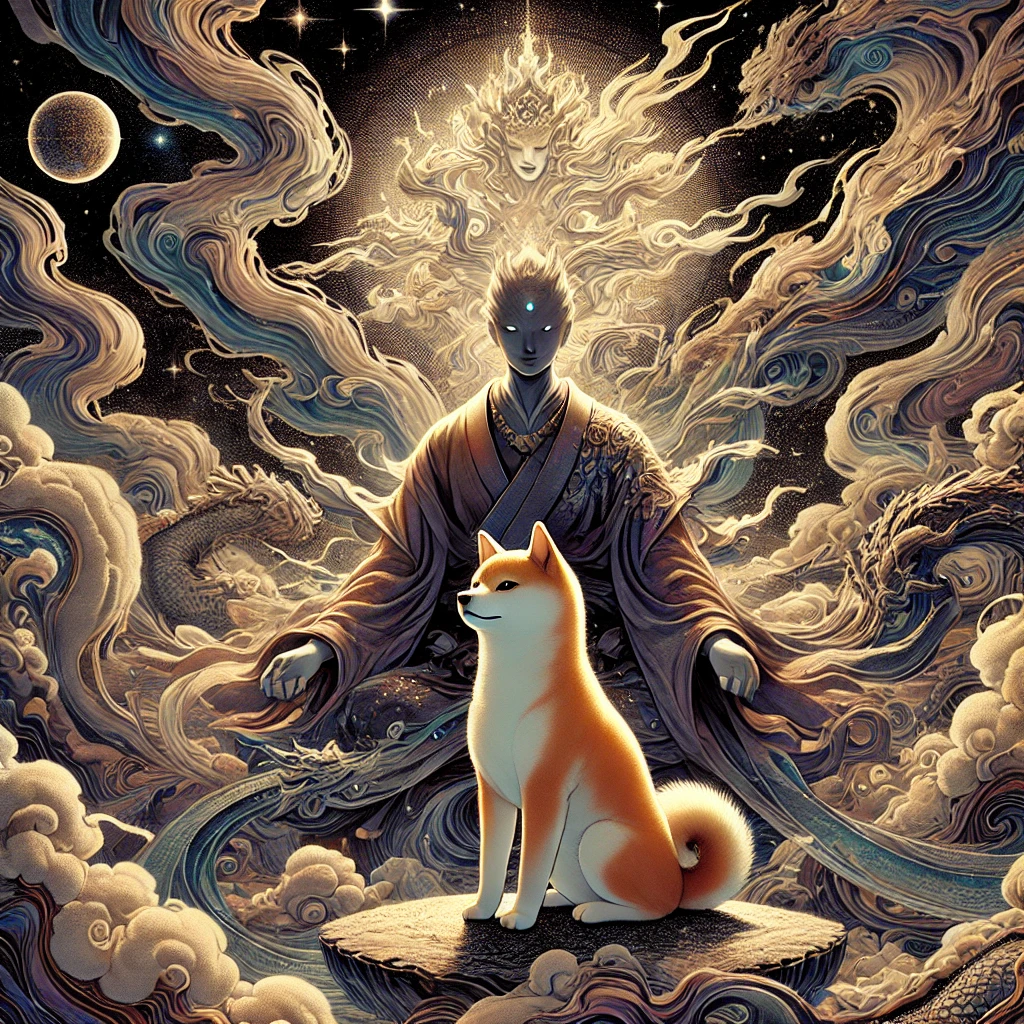
- Takamimusubi (高御産巣日神)
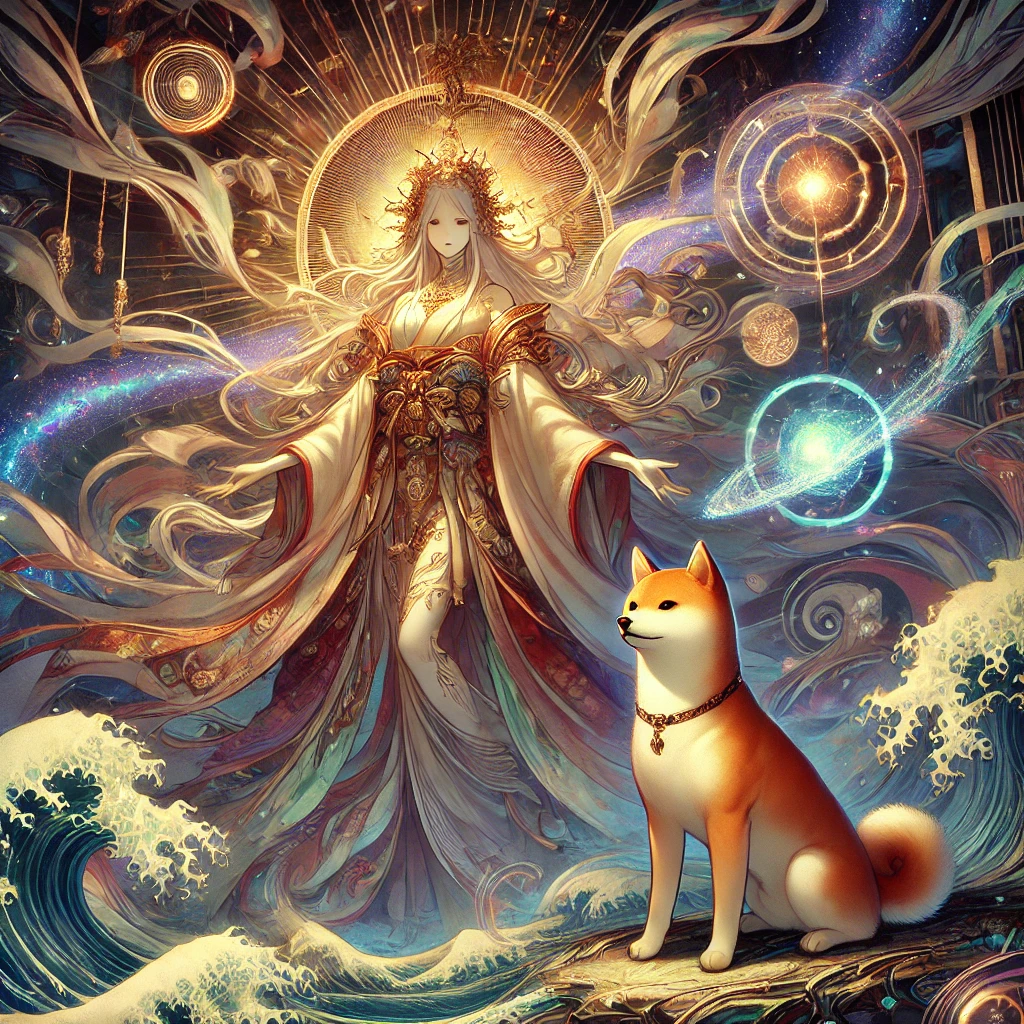
- Kamimusubi (神産巣日神)
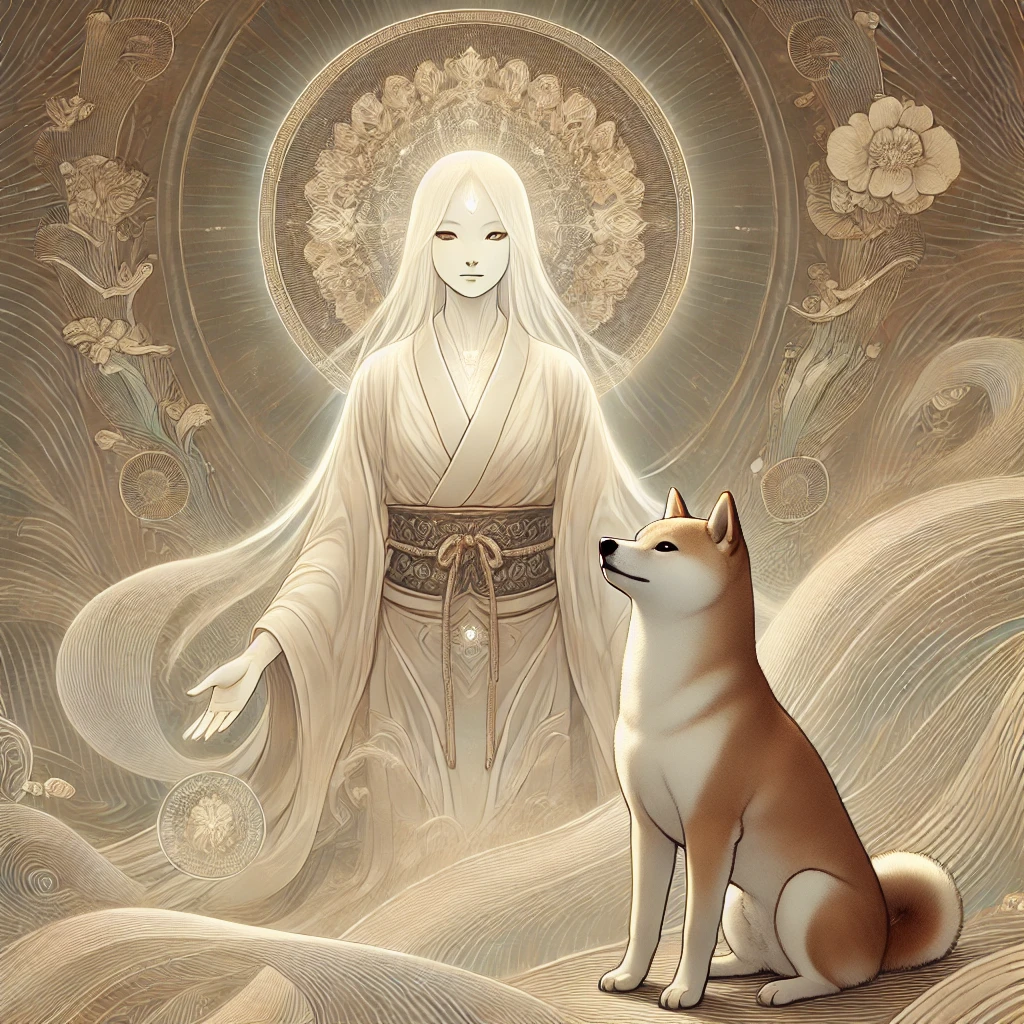
These gods are known as the “Three Heavenly Deities” (Zōka Sanshin, 造化三神). Among them, Ame-no-Minakanushi is often considered the most fundamental, being the first to emerge from the chaos before the world took shape.
However, despite this prestigious position, Ame-no-Minakanushi does not appear in later myths or legends. Unlike Amaterasu, who plays a key role in ruling the heavens, or Susanoo, who fights the Yamata-no-Orochi, Ame-no-Minakanushi remains a mysterious, almost forgotten god.
A God Without Myths
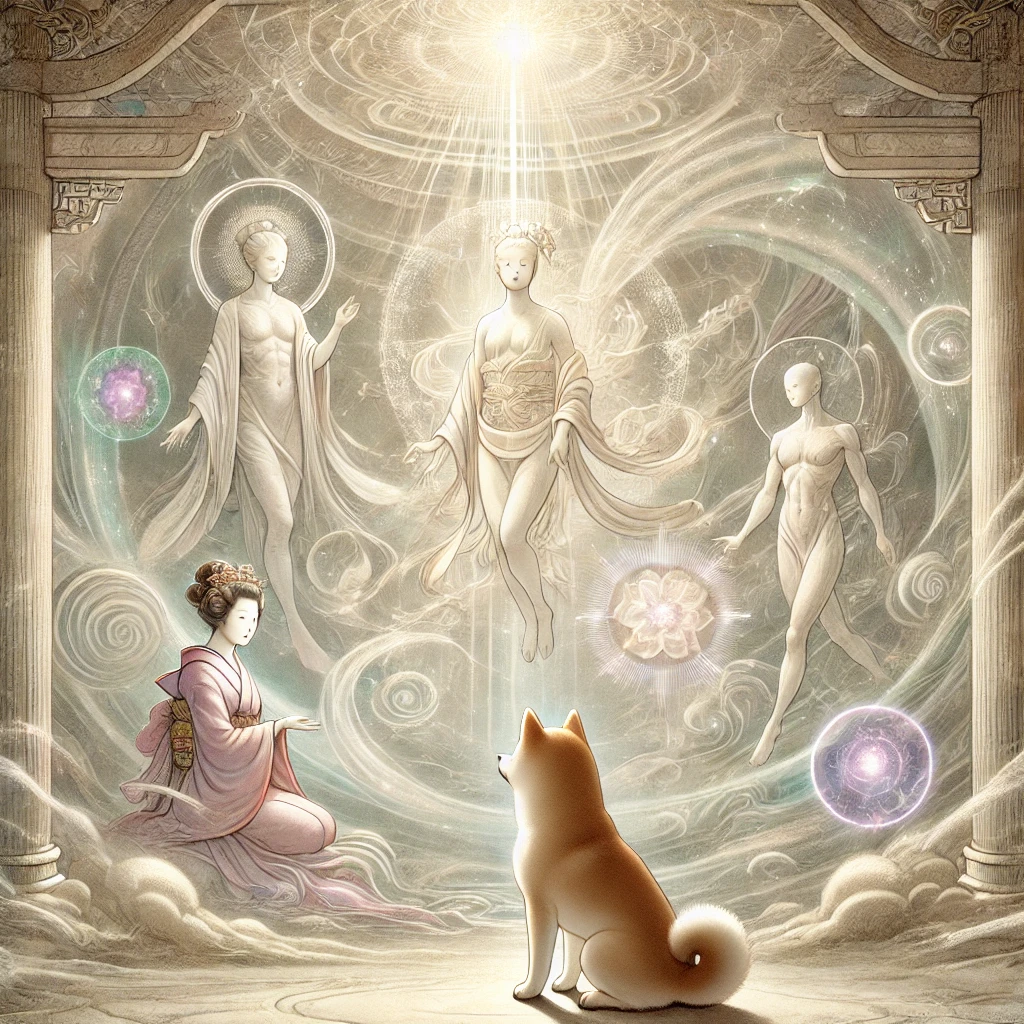
In contrast to the well-documented stories of gods like Izanagi and Izanami, who created the Japanese islands, Ame-no-Minakanushi has no direct myths or stories associated with them. The deity is mentioned only in the creation passage of the Kojiki and does not intervene in any subsequent events.
Why was such an important god not actively worshipped or featured in myths? One theory is that Ame-no-Minakanushi represents a concept rather than an individual deity. Some scholars believe this god symbolizes the fundamental order of the universe or the source of divine authority.
Later Worship and Influence
Although largely absent from mainstream mythology, Ame-no-Minakanushi gained importance in later religious traditions, particularly in Shinto and esoteric Buddhist practices. Some sects consider this deity as the ultimate god or a manifestation of the universal principle that governs the cosmos.
Additionally, during the Edo period, Ame-no-Minakanushi was associated with Tenjin (天神), a title sometimes given to important spiritual figures or deities with celestial power. Some Shinto groups, especially Kurozumikyo (黒住教) and Shinbutsu-shūgō (神仏習合, a syncretic mix of Buddhism and Shinto), revered Ame-no-Minakanushi as a supreme deity.
Conclusion – A God of the Unseen
Ame-no-Minakanushi is one of the most intriguing figures in Japanese mythology—a god who exists at the very beginning of creation but plays no active role in later stories. Whether this deity represents the unseen foundation of the universe or an abstract cosmic force, its existence continues to spark curiosity among scholars and spiritual seekers alike.
In the next article, we will explore the role of Takamimusubi and Kamimusubi, the other two heavenly deities. Stay tuned!