Japanese Gods ② Kuniumi – The Birth of Japan’s Islands in Mythology
How Did Japan’s Islands Come into Being?
One of the most important myths in Japanese mythology is the Kuniumi (国生み), or “Birth of the Land,” which tells how Japan’s islands were formed. This story comes from the Kojiki (古事記) and Nihon Shoki (日本書紀), Japan’s oldest historical records.
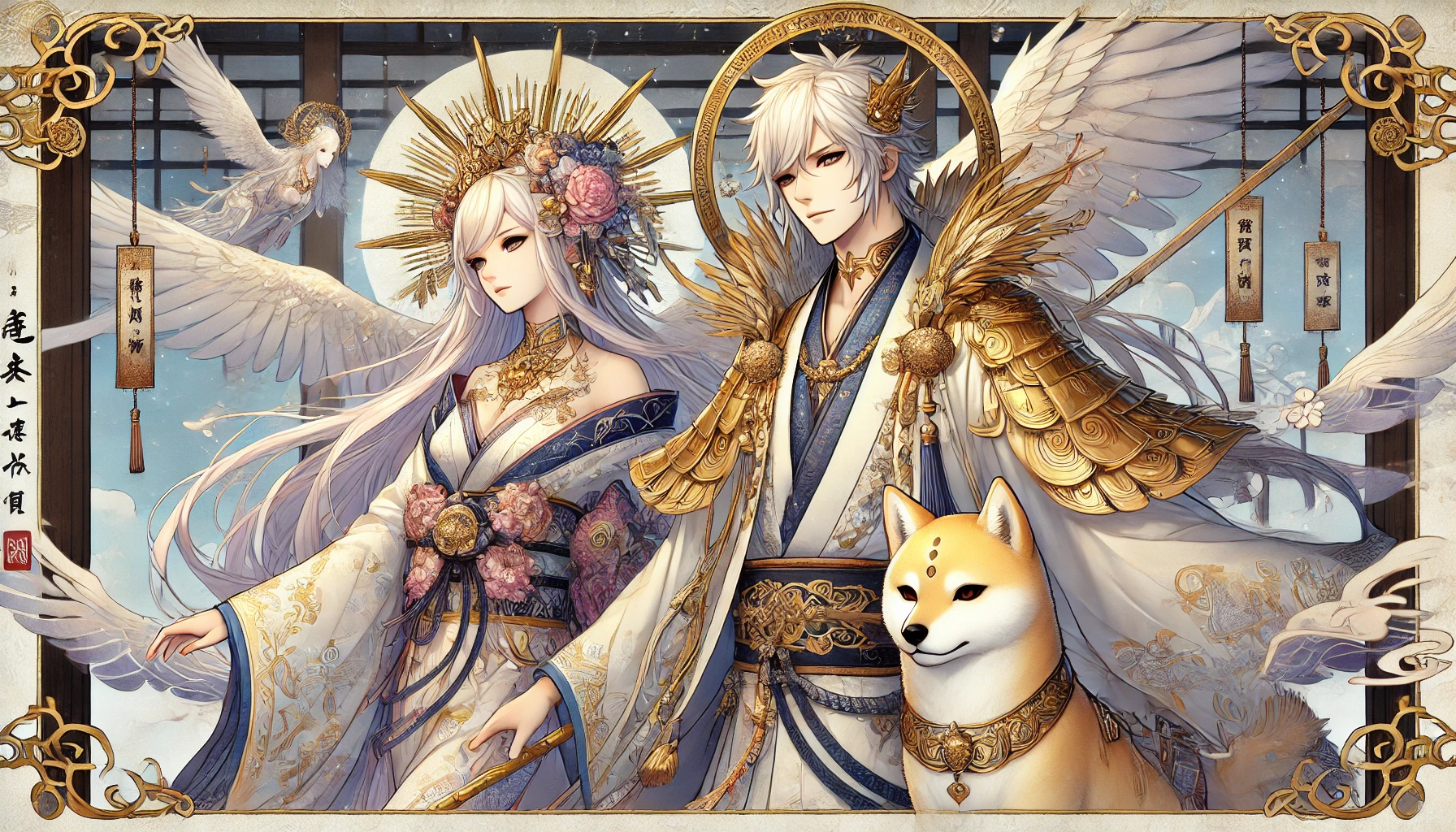
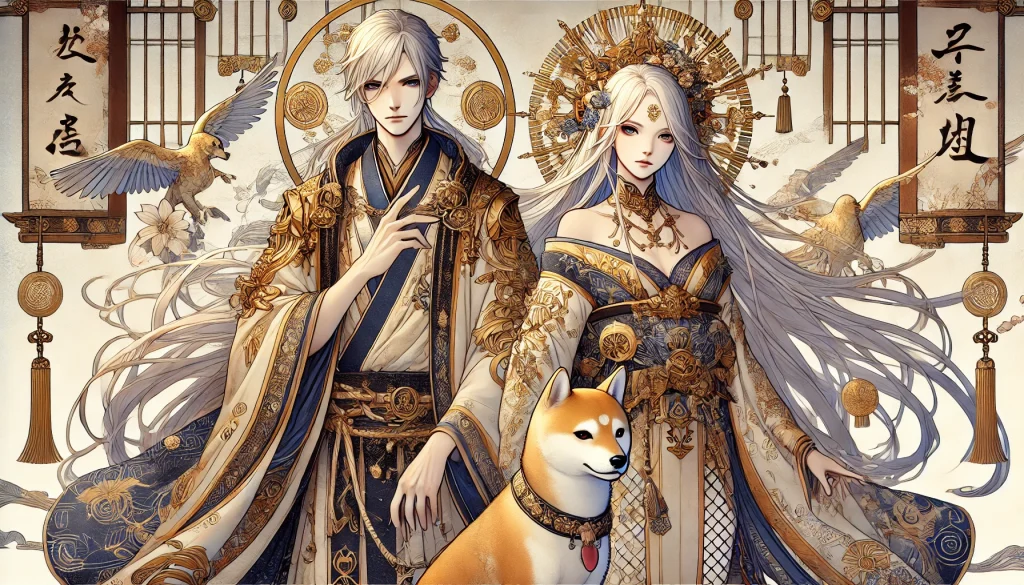
The Divine Couple: Izanagi and Izanami
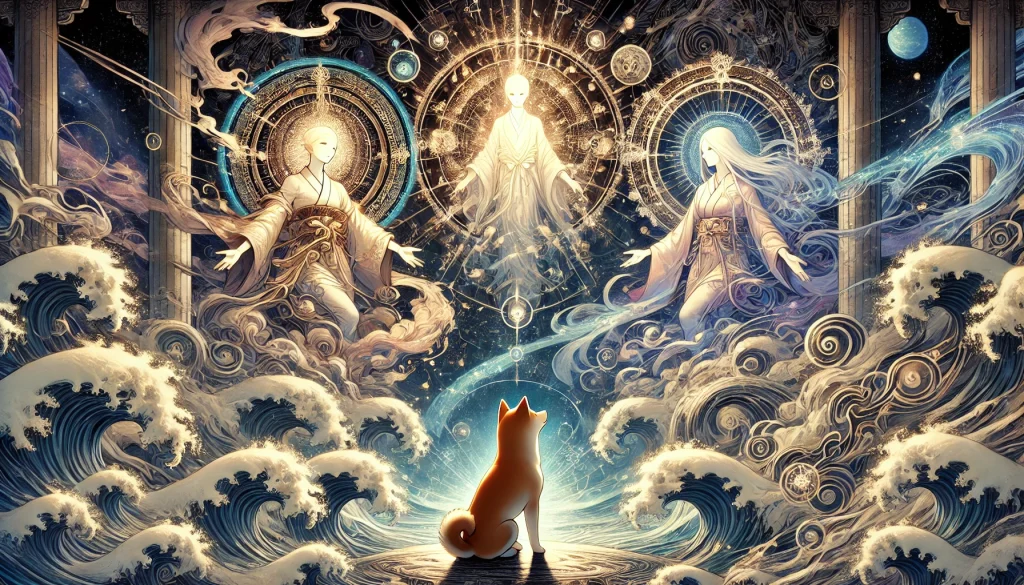
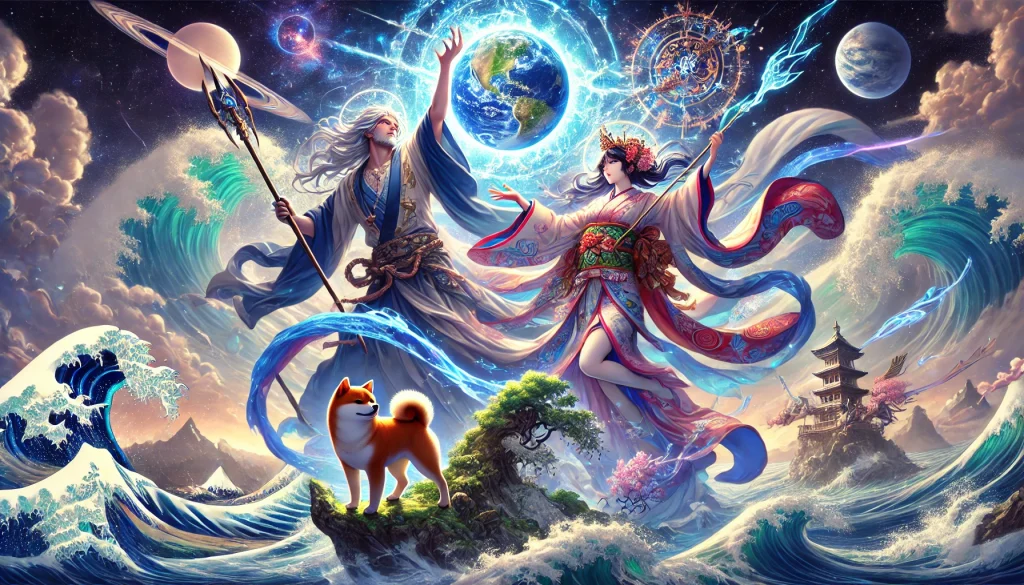
At the beginning of time, the heavenly deities commanded Izanagi (伊邪那岐) and Izanami (伊邪那美) to create the land. The two gods stood on the Floating Bridge of Heaven (天の浮橋, Ama-no-ukihashi) and used the heavenly jeweled spear (天沼矛, Ame-no-nuboko) to stir the sea below. When they lifted the spear, drops fell into the ocean, solidifying into Onogoroshima (淤能碁呂島), the first island.
The Birth of Japan’s Main Islands
Izanagi and Izanami descended to Onogoroshima, built a sacred pillar, and performed a ritual marriage. Their union led to the birth of Japan’s major islands, known as the Great Eight Islands (大八島国, Ōyashimakuni):
- Awaji (淡路島)
- Shikoku (四国)
- Okinoshima (隠岐島)
- Kyushu (九州)
- Iki (壱岐島)
- Tsushima (対馬)
- Sado (佐渡島)
- Honshu (本州)
These islands form the foundation of Japan’s geography and are considered sacred in Shinto beliefs.
Tragedy Strikes: The Death of Izanami
Following the birth of the land, Izanagi and Izanami continued creating gods and nature elements. However, when Izanami gave birth to Kagutsuchi (火之迦具土神), the god of fire, she was fatally burned. In grief, Izanagi traveled to the underworld Yomi (黄泉) to retrieve her, but the journey led to tragic consequences.
The Legacy of Kuniumi
The Kuniumi myth is more than just a creation story; it reflects Japan’s divine origins and the sacred connection between the land and the gods. This myth shaped early Shinto beliefs, reinforcing the emperor’s divine lineage and the cultural identity of Japan.
In the next article, we will explore the Yomi-no-Kuni (黄泉の国) myth, detailing Izanagi’s journey into the underworld and his dramatic escape.